

France is a major EU market with high demand for premium, natural, and exotic foods. Iran exports pistachios, saffron, d...
صادرات کن
Freeze drying, also known as lyophilization, is one of the most advanced food preservation methods used to extend shelf life while maintaining much of a product’s original color, structure, aroma, flavor, and nutritional characteristics.
The growing demand for freeze-dried products, freeze-dried food, and convenient food ingredients has created new opportunities for food manufacturers, wholesalers, distributors, and exporters. From fruits and vegetables to specialty foods and industrial ingredients, freeze drying can transform perishable products into higher-value products suitable for domestic and international markets.
The freeze-drying process removes most of the water from a product. However, the resulting product is highly sensitive to moisture after processing.
If a freeze-dried product is exposed to humidity, it can quickly absorb moisture from the surrounding environment. This may affect its texture, crispness, weight, appearance, shelf life, and overall quality.
For this reason, moisture protection is one of the most important considerations when producing, storing, and exporting freeze-dried food.
Proper packaging should provide an effective barrier against:
For international shipments, export-ready packaging is especially important because products may spend considerable time in warehouses, containers, ports, and distribution centers before reaching the final customer.
Packaging should therefore be selected according to the product characteristics, expected shelf life, transportation conditions, storage environment, and requirements of the destination market.
Unlike conventional dried foods, many freeze-dried products are valued for their light, porous, and crispy structure. This structure can be easily affected by moisture.
A properly designed packaging system helps preserve the physical and commercial characteristics of the product from production to final consumption.
For wholesalers and international buyers, packaging is not simply a visual element. It is part of the product’s quality-control system.
An effective packaging strategy can help maintain:
This makes packaging an important part of the overall food processing and export strategy.
Yes. Freeze drying can be particularly attractive for products intended for international trade.
Fresh fruits, vegetables, dairy products, and many other foods contain significant amounts of water, making them heavier, more perishable, and more difficult to transport.
Freeze drying substantially reduces the water content and weight of many products while creating a stable food format that can be stored for extended periods under appropriate conditions.
This can provide several commercial advantages:
However, freeze drying does not automatically make every product profitable for export. Exporters still need to evaluate production costs, packaging, logistics, import regulations, market demand, and customer requirements.
One of the major attractions of freeze drying is its potential to increase the commercial value of agricultural and food products.
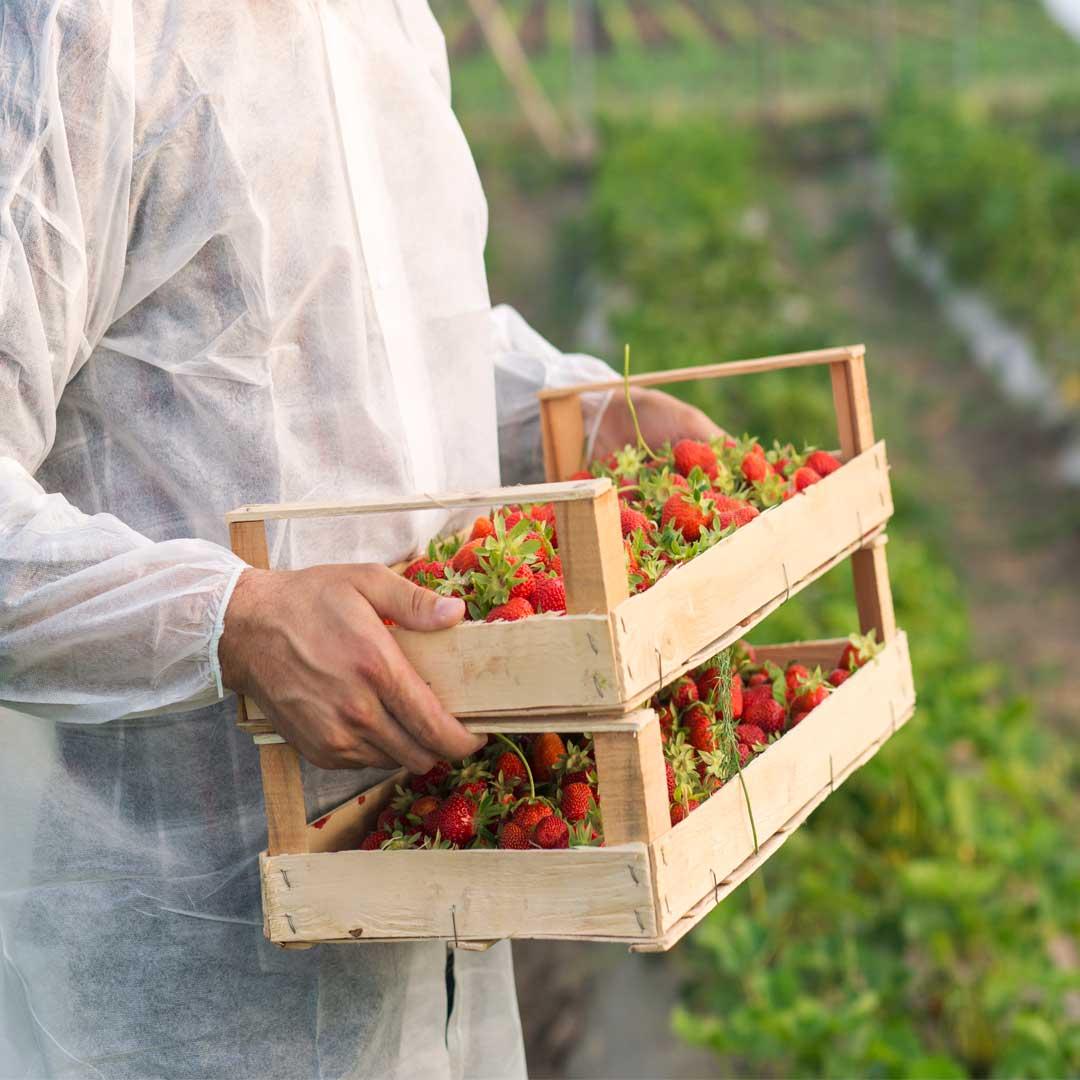
For example, fresh strawberries are highly perishable and require careful transportation and storage.
Through freeze drying, they can be converted into a lightweight, crispy, visually attractive product with an extended shelf life.
A product such as premium freeze-dried strawberry can therefore target different customer segments, including snack manufacturers, food distributors, ingredient buyers, retailers, and international wholesalers.
This value-added approach can be applied to many other fruits, vegetables, and specialty foods.
No.
Freeze drying can increase the commercial value of a product, but profitability depends on the complete cost structure.
Before investing in production or purchasing bulk freeze-dried products, businesses should evaluate:
The final business model should compare the total production and export cost with the realistic selling price in the target market.
A high-value product is not necessarily a profitable product if its production, packaging, or logistics costs are too high.
Freeze-dried products can be divided into several commercial groups depending on their applications, customer demand, and value.
Group A: Consumer-Friendly and High-Appeal Products
Fruit-based products are among the most recognizable freeze-dried foods.
Common examples include:
These products can be sold as snacks, ingredients for confectionery, breakfast products, bakery applications, dessert toppings, and specialty foods.
For example, freeze-dried strawberries are attractive because of their bright appearance, crisp texture, natural fruit flavor, and versatility.
Group B: Industrial Freeze-Dried and Dried Food Ingredients
The industrial segment focuses more on functionality and consistent supply than on consumer presentation.
Potential products include:
These products can be used as food ingredients in soups, sauces, ready meals, seasoning blends, instant foods, snack production, and other food-processing applications.
These products can be particularly relevant to manufacturers and distributors looking for stable industrial food ingredients.
Group C: High-Value Specialty Products
Some freeze-dried foods have higher perceived value because of their specialty nature, convenience, or unique production method.
Examples include:
Specialty products can target premium retail markets as well as food manufacturers looking for distinctive ingredients.
Group D: Specialized Food and Technical Applications
Freeze drying can also be used for more specialized products, including:
These applications may require significantly different processing, quality-control, regulatory, and packaging requirements.
The commercial potential of freeze drying becomes particularly interesting when products are supplied in formats suitable for manufacturers, wholesalers, and distributors.
Industrial buyers may prioritize:
For this reason, a supplier offering wholesale freeze-dried products should provide more than attractive product images.
Buyers need sufficient technical and commercial information to evaluate whether the product fits their production process and target market.
A diversified product portfolio can include different fruit, vegetable, and specialty products.
Freeze-Dried Tomatoes
Tomatoes can be processed into a lightweight ingredient suitable for food manufacturing, seasoning blends, sauces, soups, and ready meals.
Freeze-Dried Corn
Corn can be supplied as a dried ingredient for food production, snack manufacturing, instant meals, and other applications.
Freeze-Dried Mushrooms
Mushrooms are another suitable product for dehydration and freeze-drying applications because they can be used across multiple food categories.
Freeze-Dried Kiwi
Kiwi can be processed into a lightweight, convenient product while maintaining its characteristic fruit appearance and flavor.
Freeze-Dried Strawberries
Strawberries are among the most visually appealing freeze-dried fruits and can be used in snacks, desserts, confectionery, cereals, bakery products, and food ingredients.
Dried Ice Cream
Freeze-dried ice cream is a distinctive specialty product that can be positioned as a snack, novelty food, or premium food product.
Dried Okra
Dried okra can serve both household and industrial food applications and can be supplied in formats suitable for further processing.
Dried Pumpkin
Dried pumpkin can be used as an ingredient in food preparation and processing, providing a more convenient format than fresh pumpkin.
Dried Potato
Dried potato can be used in food manufacturing and prepared-food applications where convenient storage and handling are important.
Freeze drying and conventional dehydration are not identical processes.
Conventional drying generally removes moisture through heat. Freeze drying, by contrast, involves freezing the product and removing ice through sublimation under controlled vacuum conditions.
This difference can affect:
Freeze drying is generally more complex and expensive, but it can produce a different quality profile that may justify a higher selling price in appropriate markets.
Conventional drying can remain more economically attractive for products where lower production cost is more important than maintaining a highly porous structure or premium appearance.
Moisture control is essential throughout the supply chain.
Even a high-quality freeze-dried product can lose its desired characteristics if it is exposed to humid conditions after processing.
Therefore, manufacturers and exporters should consider moisture protection during:
The packaging system should be selected according to the product’s sensitivity and the expected environmental conditions during transportation.
Before purchasing freeze-dried food for wholesale, manufacturing, or export, buyers should evaluate several factors.
1. Product Quality
Check appearance, texture, aroma, flavor, consistency, and processing quality.
2. Moisture and Water Activity
Moisture-related specifications are particularly important because excess moisture can negatively affect product stability.
3. Packaging
Evaluate whether the packaging provides sufficient protection against moisture, oxygen, contamination, and transportation damage.
4. Shelf Life
Ask for clear shelf-life information and recommended storage conditions.
5. Product Specifications
For industrial purchases, confirm:
6. Supply Capacity
A supplier should be able to provide consistent quantities if the product is intended for recurring wholesale or export orders.
7. Price and Total Cost
Do not compare suppliers based only on price per kilogram. Consider product yield, quality, packaging, shipping, specifications, and the total landed cost.
8. Export Documentation
For international transactions, buyers should confirm whether the supplier can provide the documentation required by the destination market.
9. Customization
Some industrial buyers may require specific cuts, particle sizes, powder formats, packaging sizes, or labeling requirements.
10. Supplier Reliability
A reliable freeze-dried fruit supplier or dried food supplier should be able to provide clear product information, communicate consistently, and maintain agreed specifications and supply conditions.
The global food market increasingly values products that are convenient, lightweight, stable, and easy to store.
This creates opportunities for freeze-dried food export, particularly when suppliers combine suitable products with competitive pricing, reliable quality, appropriate packaging, and professional international trade practices.
For exporters, the strongest opportunity may not simply be selling a dried product. It may be creating a complete supply solution for an overseas buyer.
That can include:
This approach can turn a simple food product into a more competitive international offering.
Freeze drying is a powerful food-preservation and value-addition technology, but its commercial success depends on more than the processing method itself.
The strongest opportunities exist where product selection, processing quality, packaging, moisture protection, pricing, supply capacity, and export-market demand are considered together.
For buyers, wholesalers, manufacturers, and exporters, products such as freeze-dried fruits, vegetables, specialty foods, and industrial ingredients can provide opportunities across multiple market segments.
The key is to select products with genuine market demand and then build the right combination of quality, packaging, pricing, supply reliability, and export readiness around them.
For businesses looking for bulk freeze-dried products, dried food suppliers, food ingredients, or products suitable for international food trade, evaluating the complete commercial proposition is essential before making a purchasing decision.
France is a major EU market with high demand for premium, natural, and exotic foods. Iran exports pistachios, saffron, d...
Iran’s agricultural and food exports to Italy have grown rapidly, driven by demand for premium pistachios, dates, saffro...

Iran’s agricultural and food exports to Spain are growing, driven by strong demand for saffron, pistachios, dates, dried...
Germany is a key market for Iran’s agro-food exports, including pistachios, saffron, dates, dried fruits, herbs, and can...