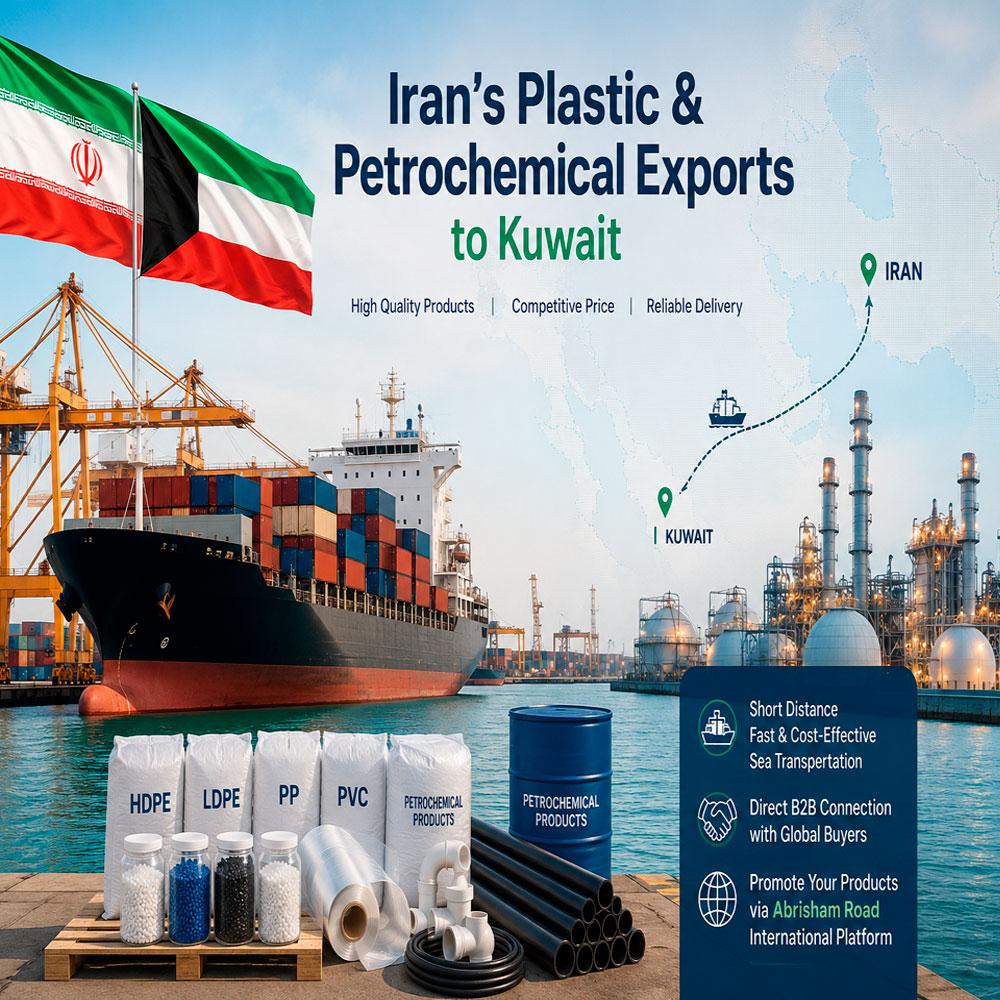
Iran's plastic and petrochemical industry is a leading non-oil export sector. Kuwait is a key market due to its proximit...
صادرات کن
Iran’s petrochemical and plastics industry is one of the most important pillars of the country’s non-oil economy. Thanks to abundant oil and gas resources, large production capacity, diverse product range, and a strategic geographic location, Iran has become a key player in the regional petrochemical market.
Among Gulf Cooperation Council (GCC) countries, Qatar stands out as an attractive export destination due to its strong economic growth, large-scale infrastructure projects, energy sector expansion, and increasing demand for polymers and plastic products. The short maritime distance between Iran and Qatar further strengthens the potential for bilateral trade development.
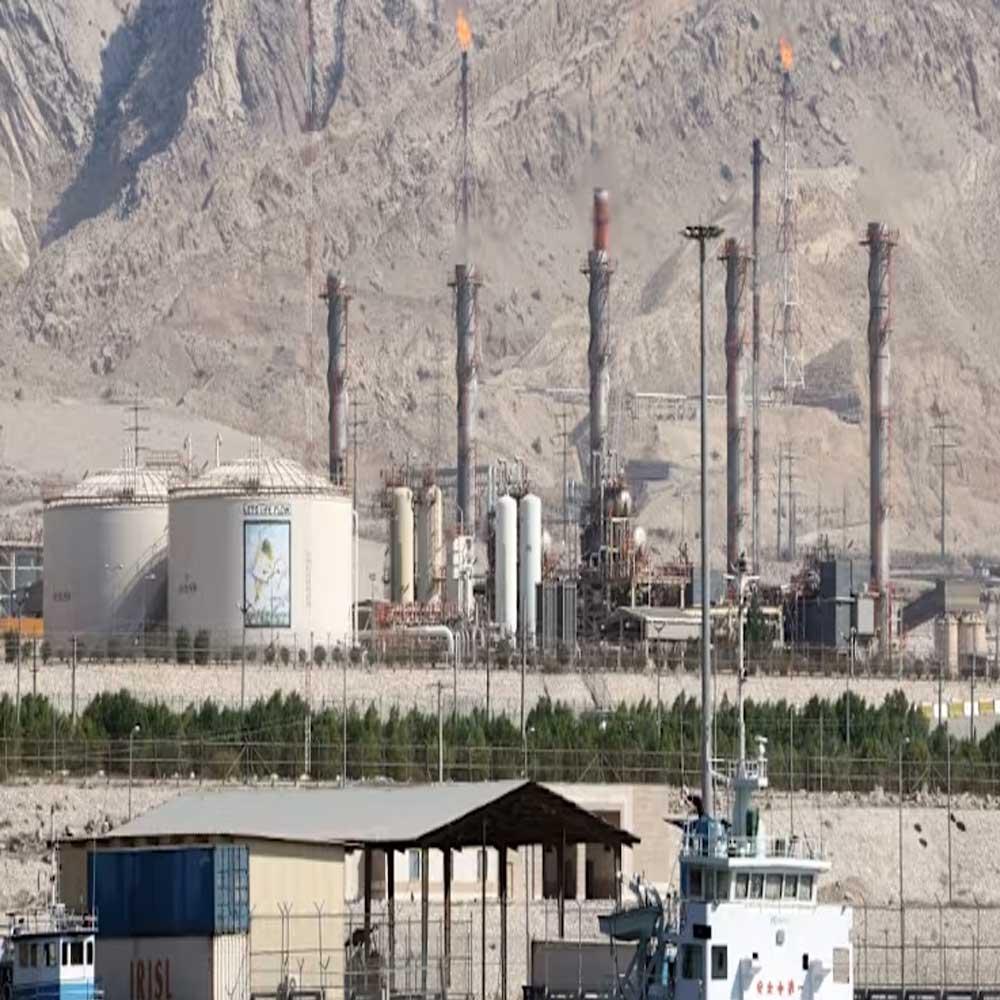
Iran benefits from some of the largest natural gas reserves in the world, which has enabled the development of a powerful petrochemical industry. Major production hubs include Asaluyeh, Mahshahr, Bandar Imam, and Bandar Abbas, where millions of tons of petrochemical products are produced annually.
These materials are widely used in construction, packaging, automotive, agriculture, oil & gas, and consumer goods industries.
Despite its relatively small population, Qatar has a high-income economy and is heavily investing in infrastructure, construction, tourism, and energy sectors. This creates consistent demand for plastic and petrochemical products.
1. Construction Industry
2. Packaging Industry
3. Oil and Gas Industry
4. Agriculture and Greenhouse Sector
Petrochemical Raw Materials
Downstream Plastic Products
Geographic Proximity
The short maritime distance significantly reduces transportation costs and delivery time.
Direct Sea Routes
Exports are mainly shipped from:
to Hamad Port in Qatar.
Fast Delivery Time
Sea freight between Iran and Qatar typically takes 1 to 4 days, which is a major competitive advantage.
Competitive Pricing
Lower production costs in Iran enable competitive export pricing compared to regional competitors.
Step 1: Market Research
Step 2: Product Presentation
Step 3: Business Negotiation
Step 4: Export Documentation
Step 5: Shipping and Customs Clearance
Goods are shipped from southern Iranian ports to Hamad Port in Qatar, followed by customs clearance procedures.
In the era of digital trade, B2B platforms play a crucial role in expanding international commerce. The Abrisham Road International Platform has been designed to connect Iranian manufacturers directly with global buyers.
Services Provided by the Platform
Increased Global Visibility
Iranian petrochemical and plastics companies can showcase their products to international buyers.
Reduced Marketing Costs
Digital presence reduces the need for expensive participation in foreign exhibitions.
Direct Buyer Connections
Elimination of intermediaries and direct negotiation with importers.
Sustainable Export Growth
Expansion into regional markets such as Qatar, Oman, Kuwait, Iraq, and Central Asia.
Qatar represents a highly attractive export market for Iran’s petrochemical and plastic industries due to its strong economic development, continuous infrastructure projects, and growing demand for polymer-based products. Iran’s competitive advantages—including production capacity, product diversity, cost efficiency, and geographical proximity—create strong opportunities for expanding exports.
In this context, the Abrisham Road International B2B platform plays a significant role in promoting Iranian industrial capabilities, connecting manufacturers with global buyers, and facilitating sustainable export growth. The integration of digital trade tools and international marketing strategies will further strengthen Iran’s position in regional and global markets.
Iran's plastic and petrochemical industry is a leading non-oil export sector. Kuwait is a key market due to its proximit...
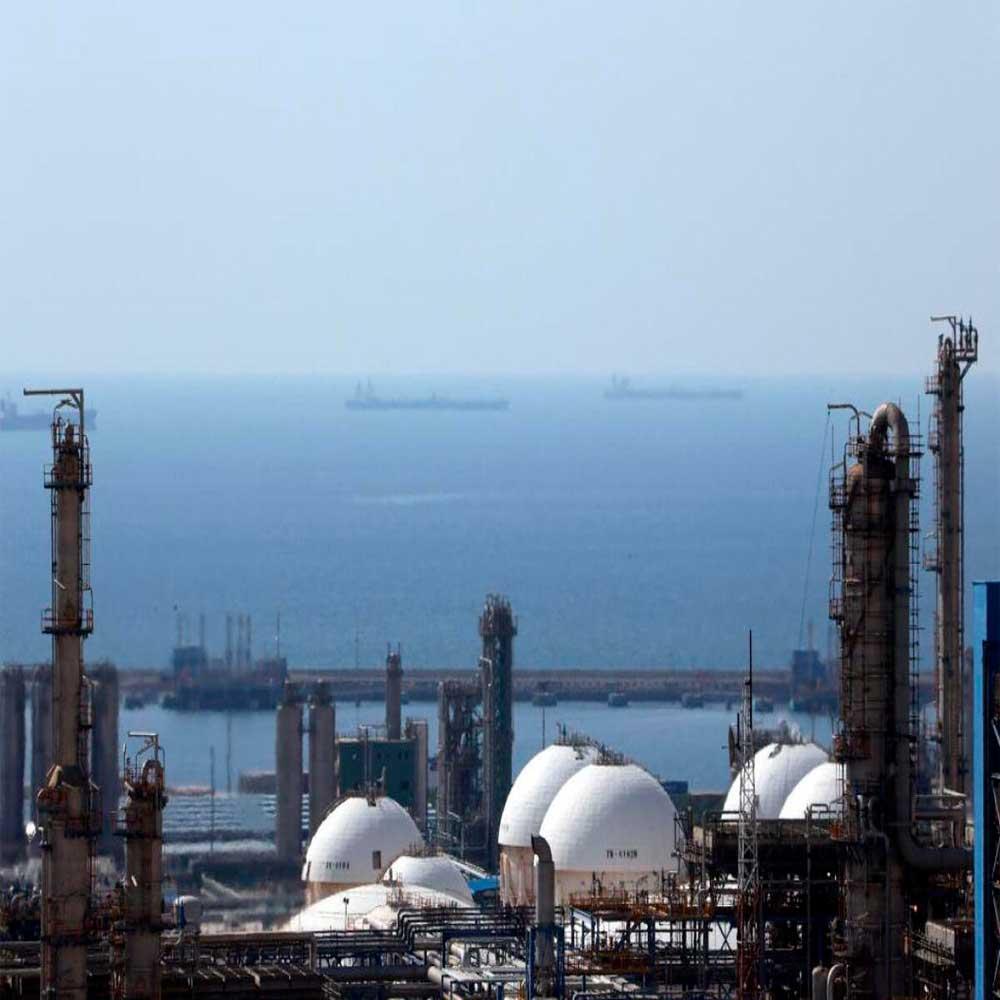
Oman has become a strategic gateway for Iranian plastic and petrochemical exports. This article explores key export prod...
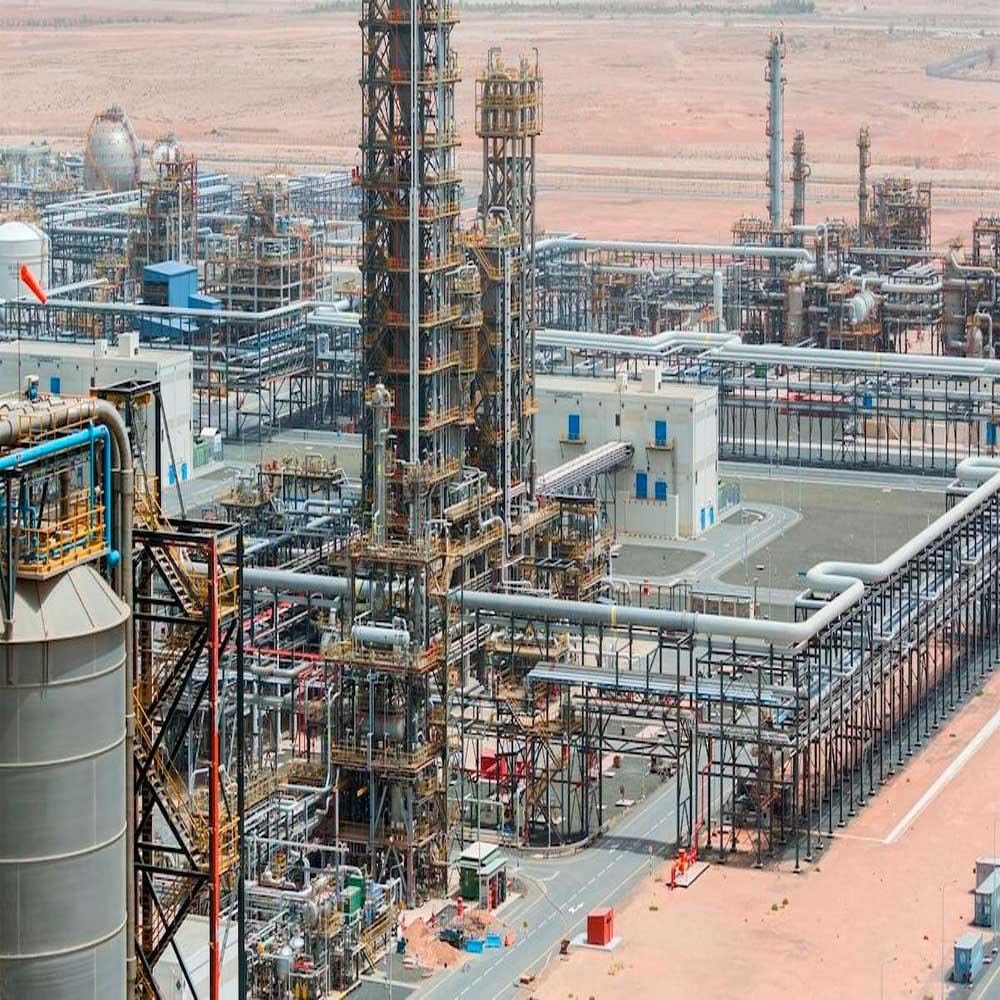
The International Abrisham Road Platform is helping transform Iran's petrochemical and plastics export industry by conne...
This article explores Iran’s petrochemical and plastic exports to Thailand, highlighting key export products, trade oppo...