

Plastic packaging materials connect manufacturers with international buyers, creating new opportunities in global B2B tr...
صادرات کن
Expanding trade with Russia has been a consistent priority for the administrations of Hassan Rouhani, Ebrahim Raisi, and, more recently, Masoud Pezeshkian. Despite these continued efforts, however, Iran and Russia have yet to become major trading partners for one another.
From the Rouhani administration to the Raisi government and now under President Masoud Pezeshkian, strengthening economic relations with Russia has remained a common policy objective. Nevertheless, bilateral trade has so far remained largely limited to around $3 billion, falling well short of the levels that both sides have discussed as potential targets.
Several structural factors have limited the growth of trade between Iran and Russia. International sanctions affecting both countries, similarities between their production structures, and inadequate transportation infrastructure have all contributed to restricting bilateral trade.
The lack of fully developed maritime, rail, and road routes has made it more difficult and expensive to move goods between the two countries.
Some experts believe that bilateral trade could potentially reach at least $20 billion if these barriers are addressed.
The participation of a large delegation of Iranian businesspeople during the Iranian president's visit to Russia demonstrates the continued interest of Iranian companies in the Russian market.
Slow progress in resolving logistical and financial issues remains one of the biggest obstacles to expanding trade.
Although Iran and Russia have geographical proximity and share some economic interests, businesses still face challenges involving transportation, customs procedures, payment mechanisms, banking connectivity, and currency settlement.
At the same time, the Russian market is highly competitive. Businesses from countries such as China, India, Turkey, and other regional economies already have established distribution networks and strong commercial relationships in Russia.
As a result, signing trade agreements alone is unlikely to generate a significant increase in bilateral trade unless supporting infrastructure is developed at the same time.
President Masoud Pezeshkian's visit to Russia appears to have marked another stage in efforts to strengthen economic cooperation between the two countries.
During the visit, Iran and Russia signed a Comprehensive Cooperation Agreement .
At the same time, Mohammad Reza Farzin, Governor of the Central Bank of Iran, traveled to Moscow to advance joint banking and monetary initiatives.
These efforts have focused on several areas, including the use of national currencies in bilateral trade, connecting the two countries' banking messaging systems—SEPAM and SPFS—and establishing connectivity between their bank card payment networks.
Reducing reliance on the US dollar in bilateral trade is not a new objective for either country.
Russia has previously attempted to establish similar monetary arrangements with other trading partners. In 2014, Russia and China signed a currency agreement aimed at reducing dependence on the dollar and limiting the impact of US sanctions.
However, significant volatility and depreciation of the ruble created challenges for such arrangements.
Iran faces similar difficulties. Exchange-rate volatility and broader economic instability can make it difficult for businesses to replace the dollar with alternative currencies without taking on significant currency risks.
Customs tariffs are another important factor affecting Iran's trade with Russia and other members of the Eurasian Economic Union.
Hadi Tizhoosh Taban, head of the Iran-Russia Joint Chamber of Commerce, has emphasized the importance of carefully designed tariff agreements.
According to his comments to Donya-e-Eqtesad, agreements concerning tariffs can benefit both sides if they are properly structured and implemented.
One potential advantage for Iran is its geographical proximity to Russian ports across the Caspian Sea.
Tizhoosh Taban has argued that low or even zero tariffs could significantly transform Iran's trade with the Eurasian Economic Union.
The approval of measures concerning Iran's trade tariffs with the Eurasian Economic Union could create additional opportunities for Iranian exporters.
According to Tizhoosh Taban, since 2019, 501 categories of goods have been traded between Iran and five Eurasian countries under zero-tariff arrangements.
These agreements have reportedly had a positive impact on Iranian exports in several sectors.
However, tariff arrangements need to be designed carefully to ensure that increased imports do not create an unfavorable trade balance for Iran.
According to the same assessment, the implementation of broader Eurasian trade arrangements could result in approximately 80% of Iran's exports to these countries, particularly Russia, becoming subject to low or zero tariffs.
Such measures could reduce the cost of Iranian products entering the Russian market and potentially improve Iran's trade balance.
Another important issue is the composition of bilateral trade.
Iran's exports to Russia currently include a significant share of agricultural, food, livestock, and fisheries products. Meanwhile, imports from Russia include products such as livestock-related goods that meet domestic demand.
Tizhoosh Taban has emphasized the importance of identifying products with greater export potential and establishing a more balanced trade structure.
One potential strategy is to gradually shift Iranian exports toward industrial and higher-value-added products.
Industrial exports could diversify the composition of bilateral trade and potentially reduce Iran's reliance on agricultural and primary commodities.
Russia represents a large import market, and Iran's geographical proximity provides Iranian companies with a potential logistical advantage.
The sanctions environment affecting both countries may also create opportunities for Iranian businesses in areas where Western suppliers have reduced their presence.
However, taking advantage of these opportunities requires detailed knowledge of the Russian market, including consumer demand, product standards, certification requirements, customs procedures, distribution channels, and local business practices.
Trade between Iran and Russia has grown in some areas but remains significantly below the potential levels discussed by policymakers and business representatives.
In 2023, bilateral trade reached approximately $2.76 billion, making Russia one of Iran's important trading partners.
According to Iranian trade statistics for the first six months of 1403 in the Iranian calendar, exports to Russia were valued at approximately $491 million, with a volume of around 1.282 million tons.
Russia ranked ninth among Iran's export destinations during this period.
The value of exports increased by approximately 12%, while export volume rose by around 20% compared with the same period of the previous year.
On the import side, Russia ranked sixth among Iran's sources of imports, with imports worth approximately $753 million and weighing around 1.125 million tons.
Compared with the previous year, the value of imports declined by approximately 19%, while import volume fell by around 38%.
More than 50% of Iran-Russia trade by weight and approximately 45.5% by value was associated with livestock, agricultural, fisheries, and food products.
From the beginning of the year through the end of the ninth month, approximately 570,013 tons of livestock, fisheries, agricultural, plant-based, and food-related products were exported to Russia.
These products accounted for approximately 29.1% of the total export weight and around 50% of the total export value to Russia.
During the nine-month period, Iran exported approximately 231,000 additional tons of goods to Russia compared with the corresponding period of the previous year. This increase generated approximately $100 million in additional export earnings.
Russia is one of the largest markets in the region, and numerous countries compete for access to its consumers and import demand.
China continues to account for more than one-third of Russia's foreign trade.
India ranks second, with a share of approximately 8.8%, while Turkey follows closely with around 8.3%.
According to figures attributed to Russia's Federal Customs Service, total Russian foreign trade reached approximately $584 billion during the first 10 months of 2024.
Of that amount, approximately $197 billion was related to trade with China.
These figures illustrate the scale of the Russian market and the intense competition among foreign suppliers seeking to expand their presence there.
Understanding Russia's export structure is also important for assessing potential trade opportunities between Iran and Russia.
Data for January 2024 shows that Russia's exports were heavily concentrated in natural resources, basic commodities, and industrial products.
Mineral products represented the largest share of Russian exports, accounting for approximately 61.2% of total export value during the month.
Metals and articles made from metals accounted for approximately 14.8% of Russian export value.
Food products and agricultural raw materials represented approximately 10.4% of total exports.
Chemical products and rubber accounted for approximately 6.2% of Russian exports.
Machinery, equipment, and transportation vehicles represented approximately 4.5% of total export value.
Wood, pulp, and paper products accounted for approximately 2.4% of Russian exports, representing a comparatively smaller share than the other major export categories.
Iran-Russia trade is at a point where significant opportunities coexist with persistent structural challenges.
Developing transportation corridors, improving rail and road connections, expanding port capacity, strengthening banking links, establishing reliable non-dollar payment mechanisms, reducing tariffs, and gaining a deeper understanding of the Russian market could all contribute to future trade growth.
Simply signing political and economic agreements will not be enough to significantly increase trade.
Effective implementation of existing agreements, improved financial and logistics infrastructure, and stronger participation by Iranian companies in Russian distribution networks will all be important.
Greater emphasis on industrial exports, the development of Iranian brands in Russia, lower transportation costs, and reliable mechanisms for settling international payments could become key components of future economic cooperation.
Iran and Russia have considerable potential for expanding bilateral trade due to their geographical proximity, economic needs, and evolving political relationships. Nevertheless, actual trade volumes remain well below the levels that policymakers and business representatives have identified as possible.
Sanctions, banking restrictions, currency volatility, transportation limitations, customs tariffs, and strong competition from other countries remain major challenges.
At the same time, new agreements, Eurasian Economic Union trade mechanisms, geographical proximity, transportation corridors, and opportunities for higher-value industrial exports create potential avenues for expansion.
Ultimately, the future of Iran-Russia trade will depend heavily on the practical implementation of agreements, improvements in banking and logistics infrastructure, tariff facilitation, and stronger participation by Iranian companies in the Russian market.
Plastic packaging materials connect manufacturers with international buyers, creating new opportunities in global B2B tr...
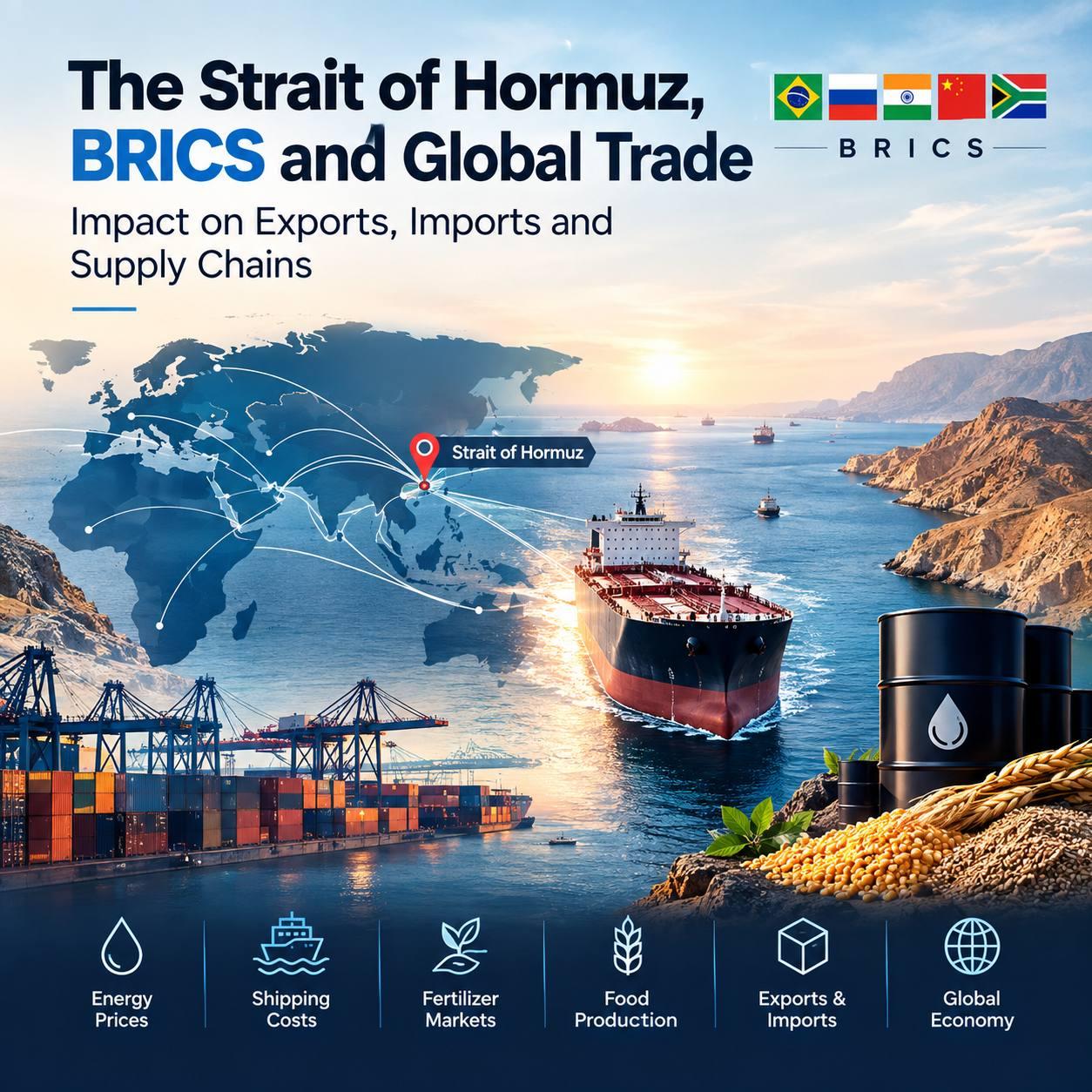
how disruptions in the Strait of Hormuz can impact BRICS economies, global trade, exports, imports, energy prices, shipp...
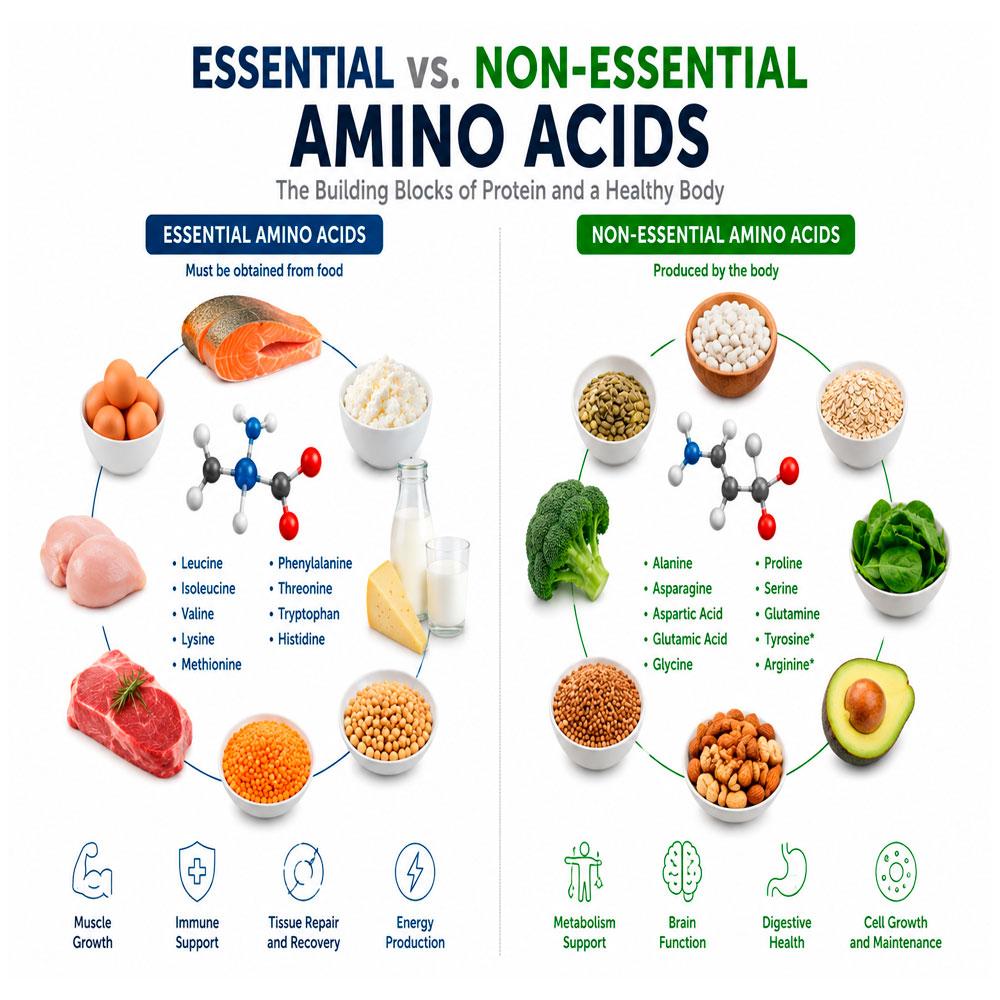
Discover the differences between essential and non-essential amino acids, their health benefits, food sources, role in s...
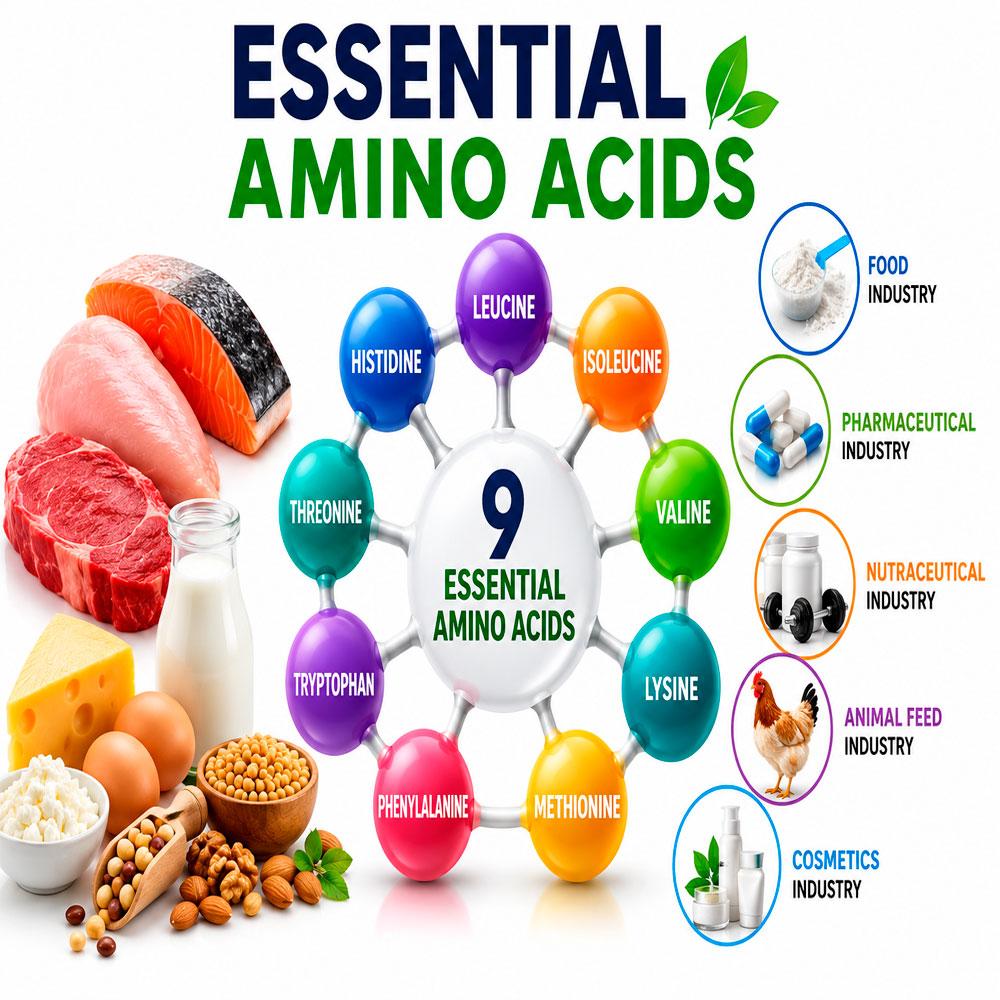
Essential amino acids (EAAs) are vital nutrients that support muscle growth, tissue repair, and overall health while ser...