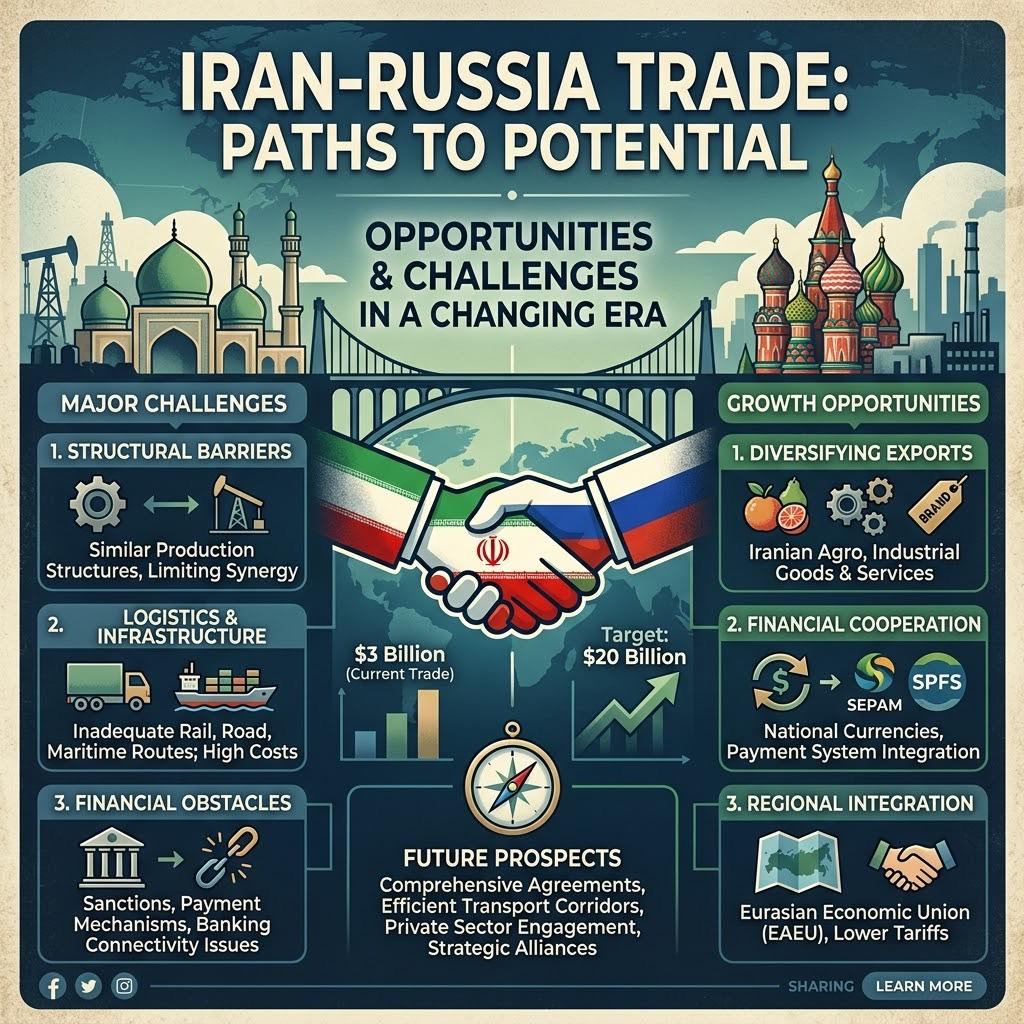
Explore Iran-Russia trade, including key challenges, tariffs, logistics, banking cooperation, export opportunities, trad...
صادرات کن
Iran is an important sourcing market for many international buyers looking for competitive prices, unique products, and direct access to manufacturers and suppliers. From agricultural products from Iran and food items to petrochemicals, building materials, textiles, and handicrafts, Iran offers a wide range of products for international trade.
However, importing from Iran requires careful supplier selection, product verification, logistics planning, and an understanding of customs and import requirements. This guide explains the main steps international buyers should consider when sourcing products from Iran.
Iran has a diverse economy and produces a wide range of products that are exported to international markets. Depending on the product category, buyers may find competitive wholesale prices and access to manufacturers, producers, and specialized Iranian suppliers.
Some of the main advantages of sourcing products from Iran include:
International buyers can source many different product categories from Iran. The right product depends on your target market, local regulations, demand, and import requirements.
Agricultural and Food Products
Iran is well known for its agricultural products and food exports. International buyers can find suppliers of products such as Iranian saffron, pistachios, dried fruits, dates, raisins, nuts, fresh fruits, and other agricultural products.
When importing food products, buyers should pay close attention to quality standards, packaging, shelf life, certificates, and the regulations of the destination country.
Buyers interested in fresh produce can also explore Iranian fruits and vegetables and connect with suppliers offering products for international markets.
Petrochemical Products and Bitumen
Iran has significant production capacity in petrochemical products and petroleum-related materials. Petrochemical products, bitumen, and other industrial materials can be sourced for different commercial and industrial applications.
Buyers should verify product specifications, technical standards, packaging requirements, and applicable trade regulations before placing an order.
Building Materials
Iranian manufacturers produce a variety of building materials, including stone, tiles, ceramics, construction products, and other materials used in residential and commercial projects.
Importers should compare product quality, technical specifications, packaging, production capacity, and transportation costs when selecting a supplier.
Textiles and Handicrafts
Iran also has a long tradition of textile production and handicrafts. Products such as carpets, textiles, traditional Iranian handicrafts, and decorative items can be attractive to international wholesalers and retailers.
How to Find Reliable Iranian Suppliers
Finding a reliable supplier is one of the most important steps when importing from Iran. A low price alone should not be the main factor when choosing a supplier.
Verify the Supplier
Before placing an order, collect basic information about the supplier, including company details, business experience, production capabilities, contact information, and export experience.
Whenever possible, verify the supplier's business registration, factory or warehouse information, certifications, and previous export activity.
Compare Wholesale Prices
Do not rely on a single quotation. Request offers from several Iranian suppliers and compare prices based on the same product specifications, quantity, packaging, delivery terms, and payment conditions.
Confirm Minimum Order Quantities
Suppliers may have different minimum order quantities (MOQs). Confirm the MOQ before negotiating the final price so that you can determine whether the supplier is suitable for your business.
Once you identify suitable suppliers, the purchasing process should be handled systematically. The following steps can help reduce risks and avoid misunderstandings.
Step 1: Define Your Product Requirements
Clearly define the product you need before contacting suppliers. Include specifications such as product type, grade, quality, quantity, packaging, destination country, and any required certifications.
Step 2: Request Supplier Quotations
Contact multiple suppliers and request detailed quotations. Ask them to provide product prices, minimum order quantities, packaging information, lead times, payment terms, and available shipping options.
Step 3: Request Samples
If possible, request samples before placing a large order. Samples allow you to evaluate product quality and confirm whether the product meets your requirements.
Step 4: Agree on Commercial Terms
Once you have selected a supplier, clearly agree on the commercial terms. These may include price, payment method, delivery terms, packaging, production schedule, inspection requirements, and responsibilities for transportation and customs.
Step 5: Prepare the Shipment
After confirming the order, coordinate production, packaging, documentation, transportation, and customs requirements. Make sure all information on the commercial documents matches the actual shipment.
The best shipping method depends on the product, destination, shipment size, delivery time, and budget.
Sea Freight
Sea freight is commonly considered for larger commercial shipments. It can be suitable for bulk products and full-container or consolidated cargo where delivery time is less critical.
Road transportation can be useful for shipments to neighboring countries and destinations that have practical land connections. Transit times and costs depend on the route, border crossings, and destination.
Air Freight
Air freight is generally used when speed is more important or when the shipment is relatively small or high-value. However, transportation costs are usually higher than sea or road freight.
Customs requirements vary depending on the product and destination country. Importers should understand the applicable regulations before finalizing a purchase.
Common Import Documents
Depending on the transaction and destination, common documents may include:
Check Destination-Country Regulations
Before importing, verify the rules of the destination country. Certain products may require special permits, certificates, labeling, inspections, or additional documentation.
Food, agricultural, chemical, pharmaceutical, and industrial products may have specific requirements, so buyers should confirm the applicable regulations before ordering.
The supplier's product price is only one part of the total import cost. Buyers should calculate the complete landed cost before deciding whether a product is commercially viable.
A simple way to understand the calculation is:
Product Cost + Logistics + Customs + Taxes + Other Applicable Costs = Total Landed Cost
Choosing a Supplier Without Verification
Choosing a supplier only because of a low price can create problems later. Always verify the supplier and confirm the company's ability to provide the required product and documentation.
When possible, test the product before committing to a large order. This is especially important for food, agricultural products, textiles, raw materials, and manufactured goods where quality can vary between suppliers.
A product may be available for export but still be subject to specific import requirements in the destination country. Always check the relevant regulations before purchasing.
Comparing suppliers only by product price can be misleading. Freight, customs duties, taxes, handling charges, and other costs can significantly affect the final cost.
Missing or incorrect documents can delay shipments and create additional costs. Documentation should be discussed with the supplier and logistics provider before the shipment is dispatched.
Before placing an order, international buyers can use the following checklist:
Importing from Iran can provide international buyers with access to a wide range of agricultural, food, industrial, petrochemical, building, textile, and handicraft products. However, successful importing requires more than simply finding a low-priced supplier.
Buyers should carefully evaluate suppliers, confirm product quality, compare wholesale prices, understand shipping options, calculate the complete landed cost, and verify all customs and import requirements before placing an order.
By following a structured sourcing and import process, businesses can reduce unnecessary risks and build stronger long-term relationships with reliable Iranian suppliers.
Explore Iran-Russia trade, including key challenges, tariffs, logistics, banking cooperation, export opportunities, trad...

Plastic packaging materials connect manufacturers with international buyers, creating new opportunities in global B2B tr...
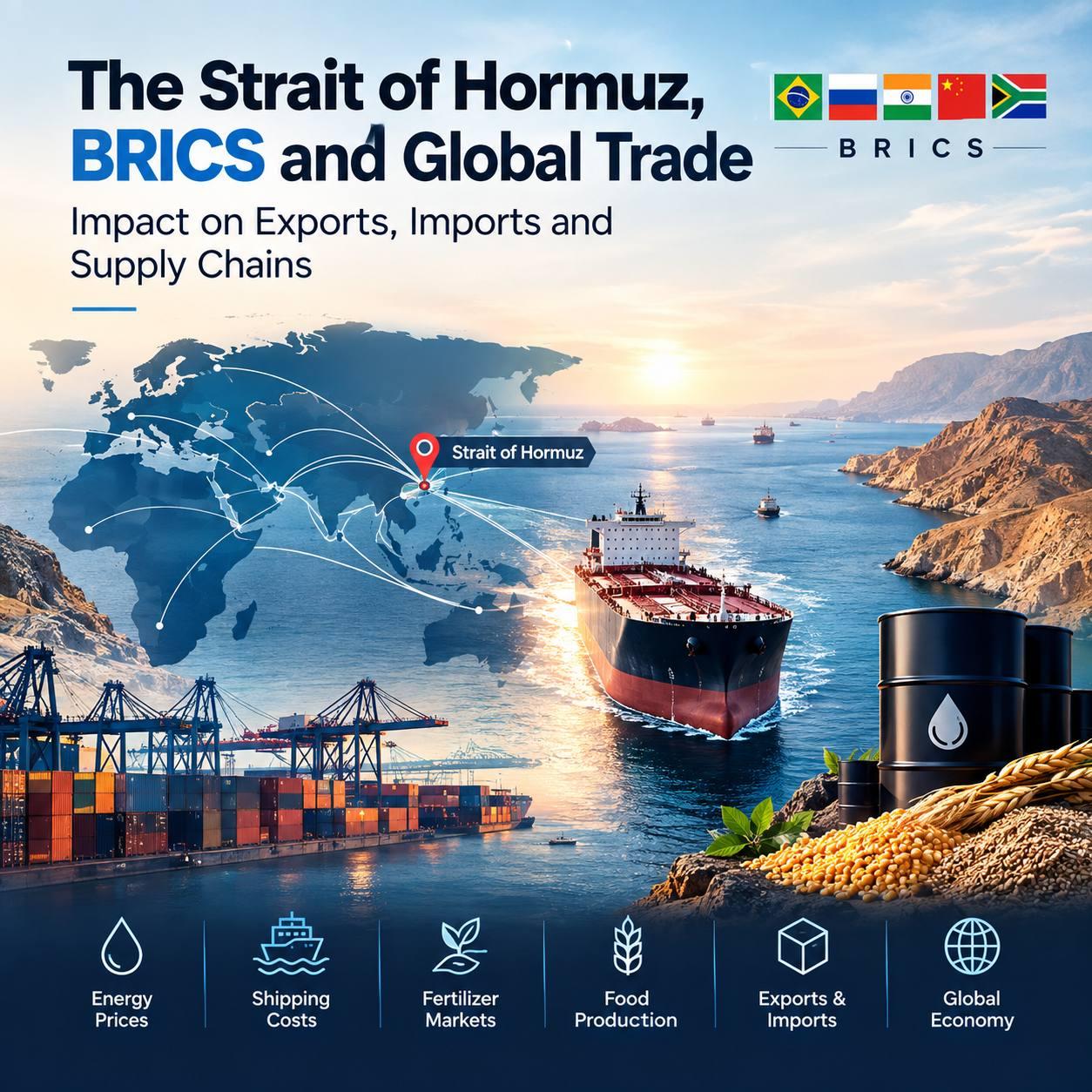
how disruptions in the Strait of Hormuz can impact BRICS economies, global trade, exports, imports, energy prices, shipp...
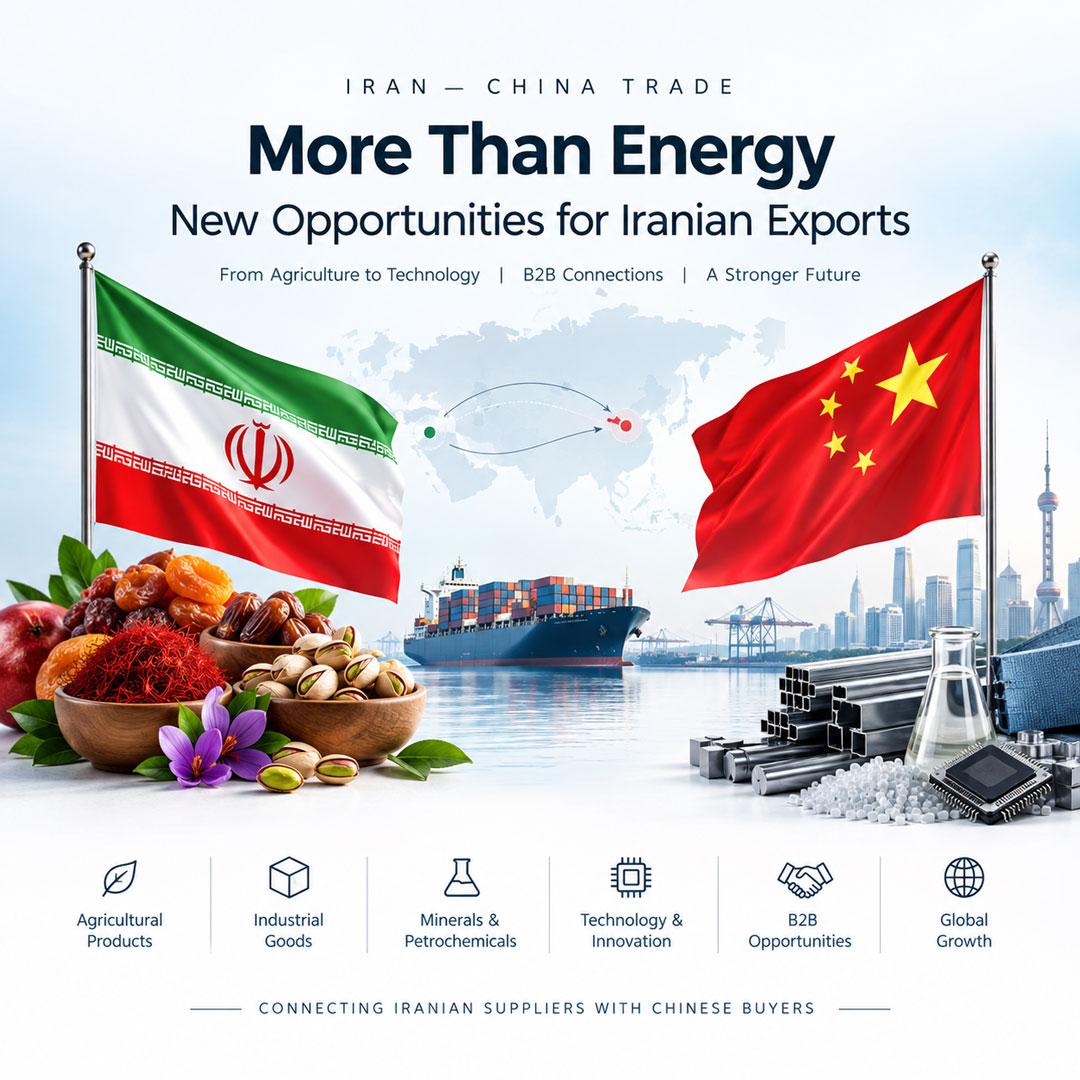
Iran-China trade opportunities, key Iranian export products, B2B opportunities, market challenges, and ways Iranian supp...